

collectible shop
Shakyamuni Buddha & Garuda Double-Sided Gau Pendant
Couldn't load pickup availability
✆ +86 190 6806 2710
Imagery & Craftsmanship
Front Image | Shakyamuni Buddha
The front side features Shakyamuni Buddha as the principal image.
The Buddha is depicted seated in meditation upon a lotus throne, facing forward in a symmetrical composition. Both hands rest before the abdomen in a meditative gesture. The robe is draped in the traditional style, exposing the right shoulder and part of the chest. The figure displays the characteristic ushnisha (cranial protuberance), elongated earlobes, and a calm, composed expression.
A large circular halo appears behind the Buddha, creating a concentric visual structure that emphasizes the central position of the figure.
Decorative gold motifs surround the halo and extend throughout the composition, contributing to the formal and devotional presentation of the image.
The lotus throne, halo, robe, elongated ears, and meditative posture are among the defining visual elements traditionally associated with representations of Shakyamuni Buddha in Buddhist art.
Reverse Image | Garuda
The reverse side depicts Garuda, the sacred mythical bird known in Himalayan and Buddhist artistic traditions.
The figure is shown with outstretched wings forming a balanced symmetrical composition. The body is rendered in blue tones, while the head is adorned with a gold-colored crown. Stylized cloud motifs appear beneath the figure.
In Tibetan Buddhist tradition, Garuda is known as Khyung and occupies an important place within Himalayan religious iconography.
The expanded wings, crowned head, and dynamic posture create a strong visual contrast to the stillness and serenity of the Buddha depicted on the front side.
Cloisonné Enamel Craftsmanship
The pendant is executed in the tradition of cloisonné enamel art.
Traditional cloisonné craftsmanship involves a multi-stage process that includes:
-
Metal body construction
-
Wire application
-
Enamel filling
-
Repeated kiln firing
-
Surface polishing
-
Metal finishing
Fine metal wires define the outlines of the design, while colored enamel is carefully applied within enclosed sections. Multiple firings produce the smooth and durable enamel surface characteristic of cloisonné work.
The combination of gold-toned outlines, vibrant enamel colors, decorative borders, and intricate motifs creates the distinctive visual appearance associated with traditional Eastern enamel art.
Symbolic Themes
Shakyamuni Buddha
Shakyamuni Buddha is the historical Buddha and the central figure of Buddhist tradition.
The meditative posture emphasizes themes traditionally associated with Buddhist sacred imagery, including:
-
Awakening
-
Wisdom
-
Inner peace
-
Contemplation
The lotus throne serves as a symbol of purity and spiritual realization, while the circular halo represents enlightenment and awakened awareness.
Garuda
Garuda is a sacred mythological bird found throughout Buddhist and Himalayan artistic traditions.
Within Buddhist iconography, Garuda is associated with:
-
Strength
-
Wisdom
-
Protection
-
Overcoming obstacles
The expanded wings and dynamic posture symbolize movement, vigilance, and spiritual power.
Double-Sided Composition
The pendant presents two complementary visual themes.
Front Side
Shakyamuni Buddha, represented through stillness, meditation, and enlightenment.
Reverse Side
Garuda, represented through movement, strength, and protective symbolism.
Together, the two sides create a balanced visual relationship between contemplative wisdom and protective power.
Artistic & Cultural Features
Buddhist Iconography
The pendant combines two established subjects within Buddhist visual culture:
-
Shakyamuni Buddha
-
Garuda
Each image possesses its own iconographic tradition and symbolic framework, creating a dialogue between sacred figure imagery and mythological symbolism.
Cloisonné Artistic Tradition
The work incorporates traditional cloisonné enamel techniques, characterized by:
-
Fine metal outlining
-
Colored enamel surfaces
-
Decorative metal framing
-
Detailed ornamental design
These elements form the foundation of the pendant’s visual identity.
Double-Sided Artistic Structure
Both sides contain complete and independent visual compositions.
The front presents a devotional image of Shakyamuni Buddha, while the reverse presents Garuda as a symbolic and protective figure.
This dual-sided arrangement allows two distinct iconographic themes to coexist within a single artwork.
Portable Buddhist Art
The compact format transforms traditional Buddhist imagery into a wearable art object.
By combining sacred imagery, enamel craftsmanship, and pendant construction, the piece functions as both a decorative object and a miniature work of Buddhist-inspired art.
Integration of Enamel and Metalwork
The pendant combines multiple artistic disciplines, including:
-
Cloisonné enamel craftsmanship
-
Decorative metalwork
-
Religious iconography
-
Pendant construction
Together, these elements form the complete artistic structure of the work.


Shakyamuni Buddha & Garuda Double-Sided Gau Pendant
thangka
Collection Details
You may also like
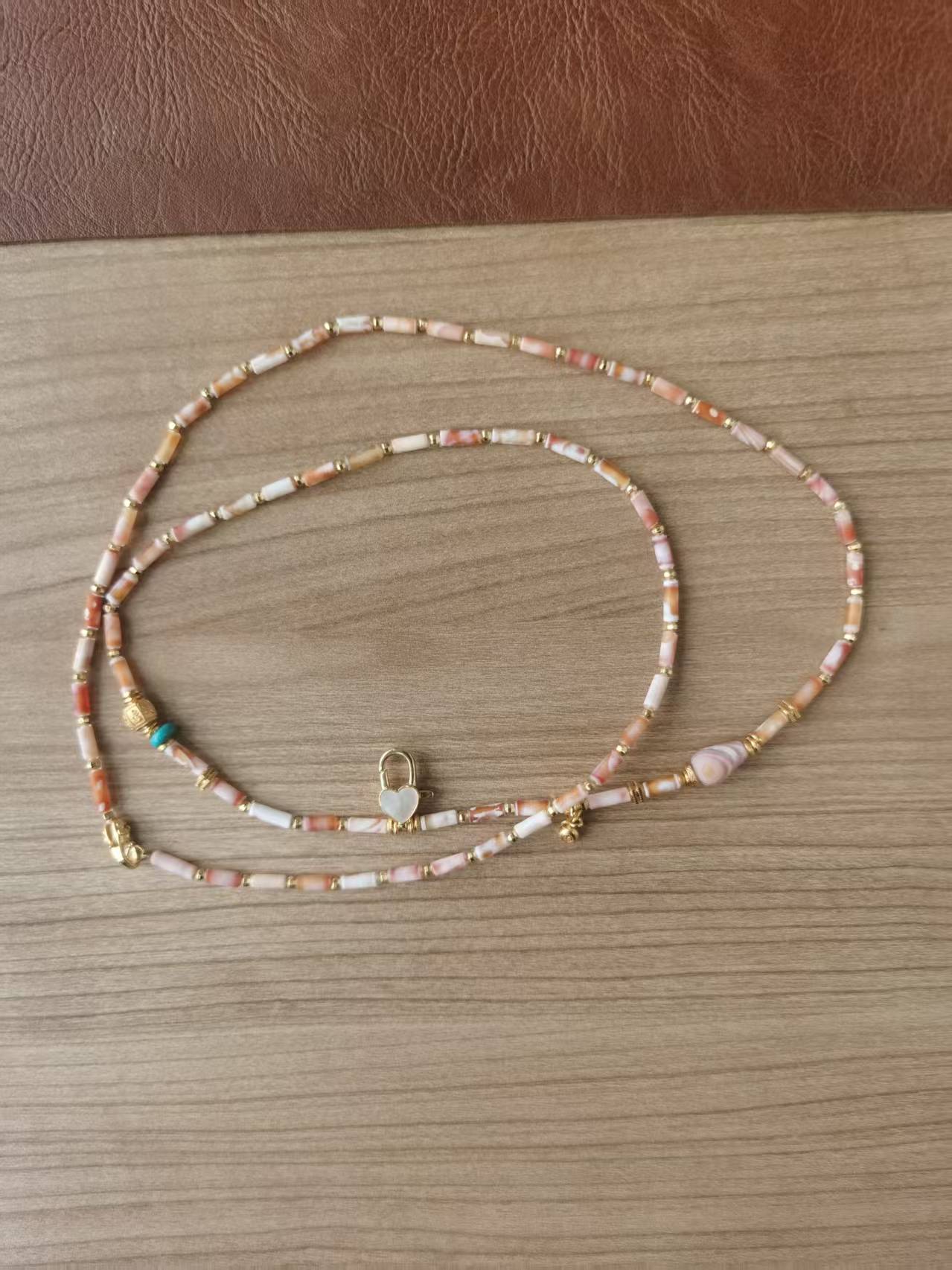
Pink Coral Tube-Bead Long Necklace
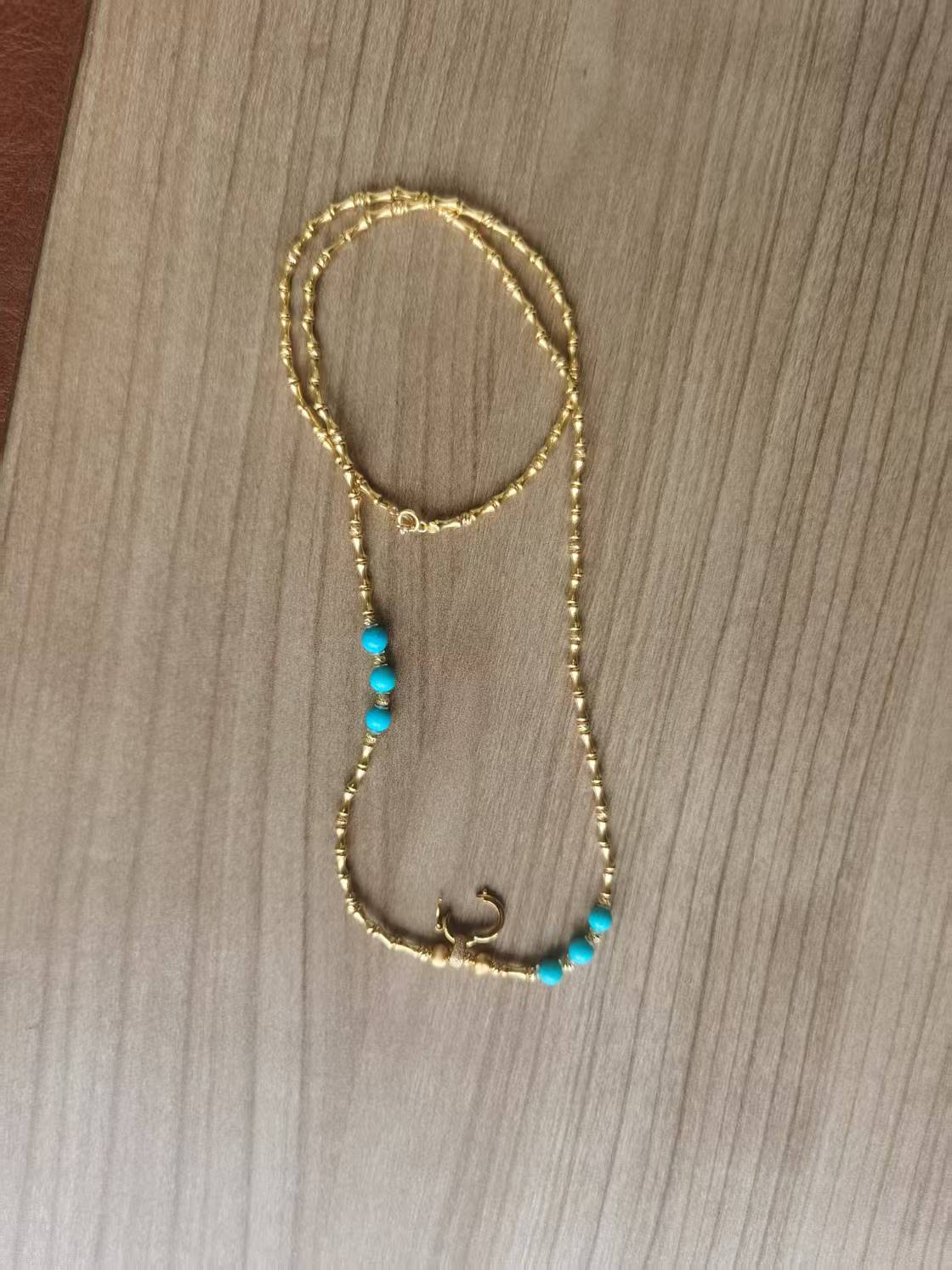
18K Gold-Tone Turquoise Accent Collarbone Necklace
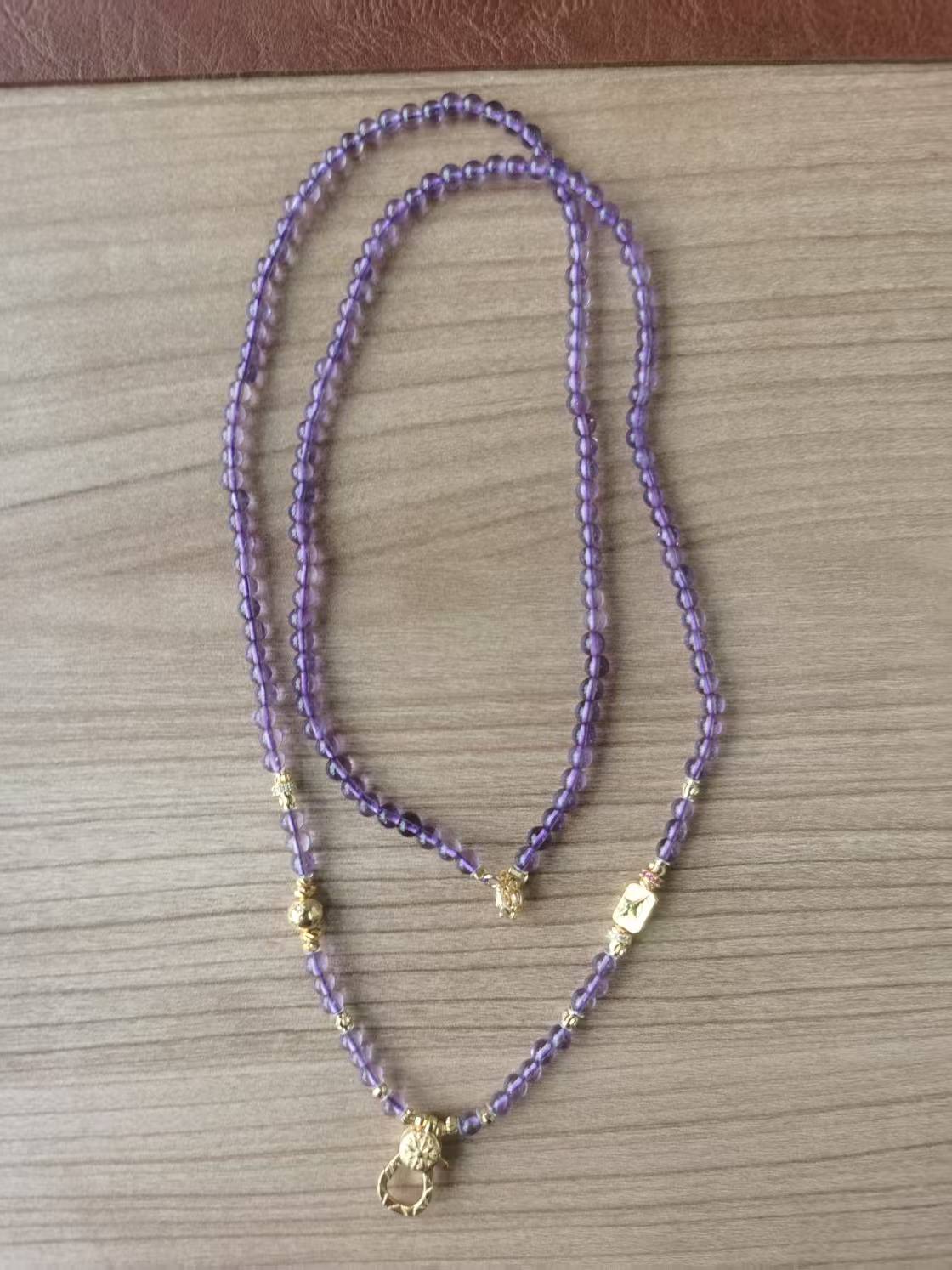
Natural Amethyst 6mm Multi-Way Long Necklace
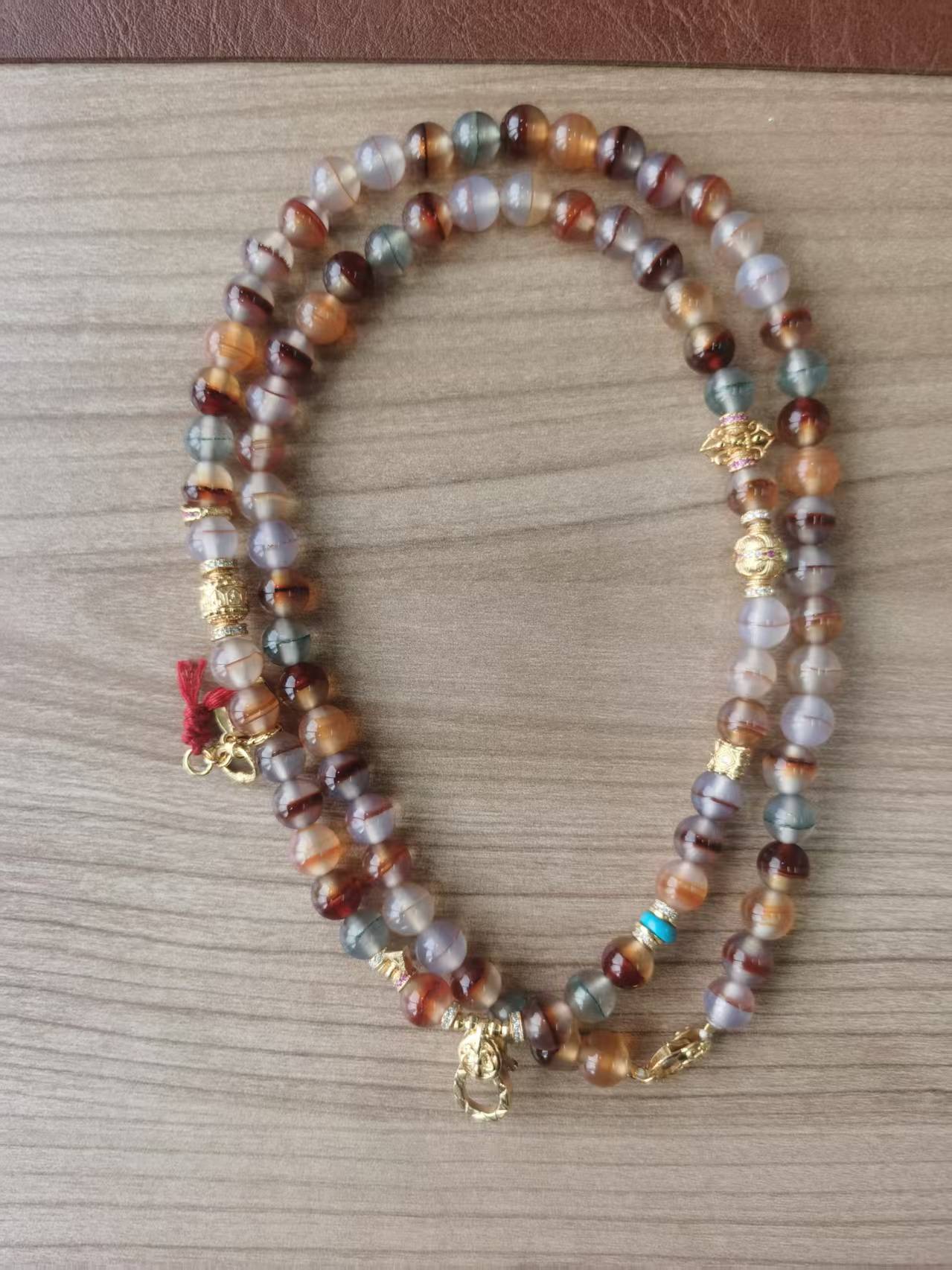
Natural Multicolor One-Line Medicine Buddha Agate Multi-Way Long Necklace
Black Gold Super Seven Multi-Way Long Necklace

Natural Black Gold Super Seven Beads

Natural Tiger’s Eye Multi-Way Long Necklace
