

collectible shop
Shakyamuni Buddha | Double-Sided Thangka Pendant
Couldn't load pickup availability
✆ +86 190 6806 2710
Imagery & Craftsmanship
Front Image — Shakyamuni Buddha
The front of the pendant depicts Shakyamuni Buddha, the central figure of the Buddhist tradition.
The Buddha is seated upon a lotus throne in a frontal composition commonly found in Buddhist iconography and traditional Thangka painting.
The composition includes:
-
Blue curled hair
-
High ushnisha (cranial protuberance)
-
Flesh-toned face
-
Yellow and orange monastic robes
-
Hands positioned before the abdomen
-
Alms bowl
-
Circular halo
-
Lotus throne
-
Mountain landscape
-
Cloud motifs
The Buddha occupies the visual center of the composition, while mountains, clouds, and lotus imagery create a complete sacred pictorial setting.
Reverse Image — Mount Meru
The reverse side features an image of Mount Meru, an important symbol within Buddhist cosmology.
The composition presents a tiered mountain rising from a landscape of mountains and waters, with celestial architecture and cloud formations above.
The image incorporates:
-
Central mountain structure
-
Mountain ranges
-
Water elements
-
Cloud formations
-
Celestial architecture
Together these elements form a vertically organized cosmological landscape associated with Mount Meru in Buddhist visual culture.
The two sides establish a unified thematic relationship:
-
Front: Shakyamuni Buddha
-
Reverse: Mount Meru
The imagery combines the Buddha with the cosmological setting associated with Buddhist sacred tradition.
Double-Sided Miniature Painting
Both sides of the pendant feature complete painted compositions.
-
Front: Shakyamuni Buddha
-
Reverse: Mount Meru
Each image is enclosed within a gold-toned metal frame, creating a double-sided miniature artwork.
This structure provides distinct visual content from either side of the pendant.
Gold-Toned Decorative Frame
The pendant is surrounded by a gold-toned metal frame with decorative detailing along the outer edge.
An integrated suspension loop is positioned at the top and incorporates dimensional ornamental elements.
The overall structure combines:
-
Painted imagery
-
Metal framework
-
Pendant suspension element
The frame protects the painted surfaces while contributing to the overall visual presentation of the piece.
Miniature Painting Technique
Despite its compact scale, the artwork contains numerous painted details, including:
-
Buddha portraiture
-
Hair and ushnisha
-
Monastic robes
-
Hands
-
Alms bowl
-
Lotus throne
-
Clouds
-
Mountains
-
Water features
-
Mount Meru
-
Celestial architecture
The preservation of figure, environment, and symbolic imagery within a miniature format is a defining characteristic of miniature Thangka painting.
Cultural Significance
Shakyamuni Buddha
Shakyamuni Buddha is one of the most important and recognizable figures in Buddhist art.
Within Buddhist visual culture, the Buddha represents:
-
Enlightenment
-
Wisdom
-
Compassion
-
The Dharma
As the principal image on the front side, the Buddha serves as the focal point of the composition.
Lotus Throne
The Buddha is depicted seated upon a lotus throne.
The lotus is a significant symbol in Buddhist art and is traditionally associated with:
-
Purity
-
Spiritual elevation
-
Transcendence
-
Enlightenment
The combination of the Buddha and the lotus throne forms a classic visual motif within Buddhist iconography.
Mount Meru
Mount Meru occupies a central position within Buddhist cosmological thought and religious imagery.
In Buddhist artistic traditions, Mount Meru represents the structure and order of the cosmos and appears as a recurring subject in sacred visual culture.
Its depiction on the reverse side expands the thematic scope of the pendant beyond the central Buddha image.
Buddha and Mount Meru
The pendant is organized around two complementary themes:
-
Shakyamuni Buddha
-
Mount Meru
Together they create a unified Buddhist visual narrative that combines the enlightened figure with a symbolic representation of the Buddhist cosmos.
Artistic & Cultural Value
Miniature Thangka Art
Thangka painting is distinguished by its established iconographic system, artistic conventions, and symbolic visual language.
This work condenses the Buddha, landscapes, clouds, architecture, and cosmological imagery into a miniature format while preserving a complete pictorial structure.
Gau Tradition
The Gau (Ga'u / Ghau) is a traditional portable reliquary form found throughout Himalayan Buddhist culture.
Historically, Gau objects combined sacred imagery, protective functions, and portability.
This pendant continues that artistic tradition through the integration of miniature painting and wearable design.
Double-Sided Artistic Presentation
The pendant contains two independent painted compositions:
-
Front: Shakyamuni Buddha
-
Reverse: Mount Meru
The dual-sided structure enhances the visual complexity and artistic depth of the piece.
Expression of Buddhist Cosmology
By combining the image of the Buddha with Mount Meru, the pendant brings together both the enlightened figure and the symbolic structure of the Buddhist universe within a single miniature artwork.
Wearable Religious Art
The piece integrates:
-
Buddhist iconography
-
Miniature Thangka painting
-
Gau-inspired form
-
Metal craftsmanship
-
Pendant functionality
The result is a wearable work of Buddhist religious art that combines traditional imagery with portable presentation.
Product Highlights
01 | Shakyamuni Buddha Imagery
The front features a traditional depiction of Shakyamuni Buddha, one of the most important subjects in Buddhist art.
02 | Mount Meru Reverse Design
The reverse presents Mount Meru, a key symbol within Buddhist cosmology and sacred visual culture.
03 | Double-Sided Miniature Artwork
Both sides contain complete painted compositions, creating a fully realized double-sided artistic presentation.
04 | Traditional Gau-Inspired Form
The overall structure reflects visual characteristics associated with traditional Gau reliquary design.
05 | Miniature Thangka Painting
The pendant incorporates figures, architecture, landscapes, clouds, and symbolic imagery within a compact painted format characteristic of miniature Thangka art.


Shakyamuni Buddha | Double-Sided Thangka Pendant
thangka
Collection Details
You may also like
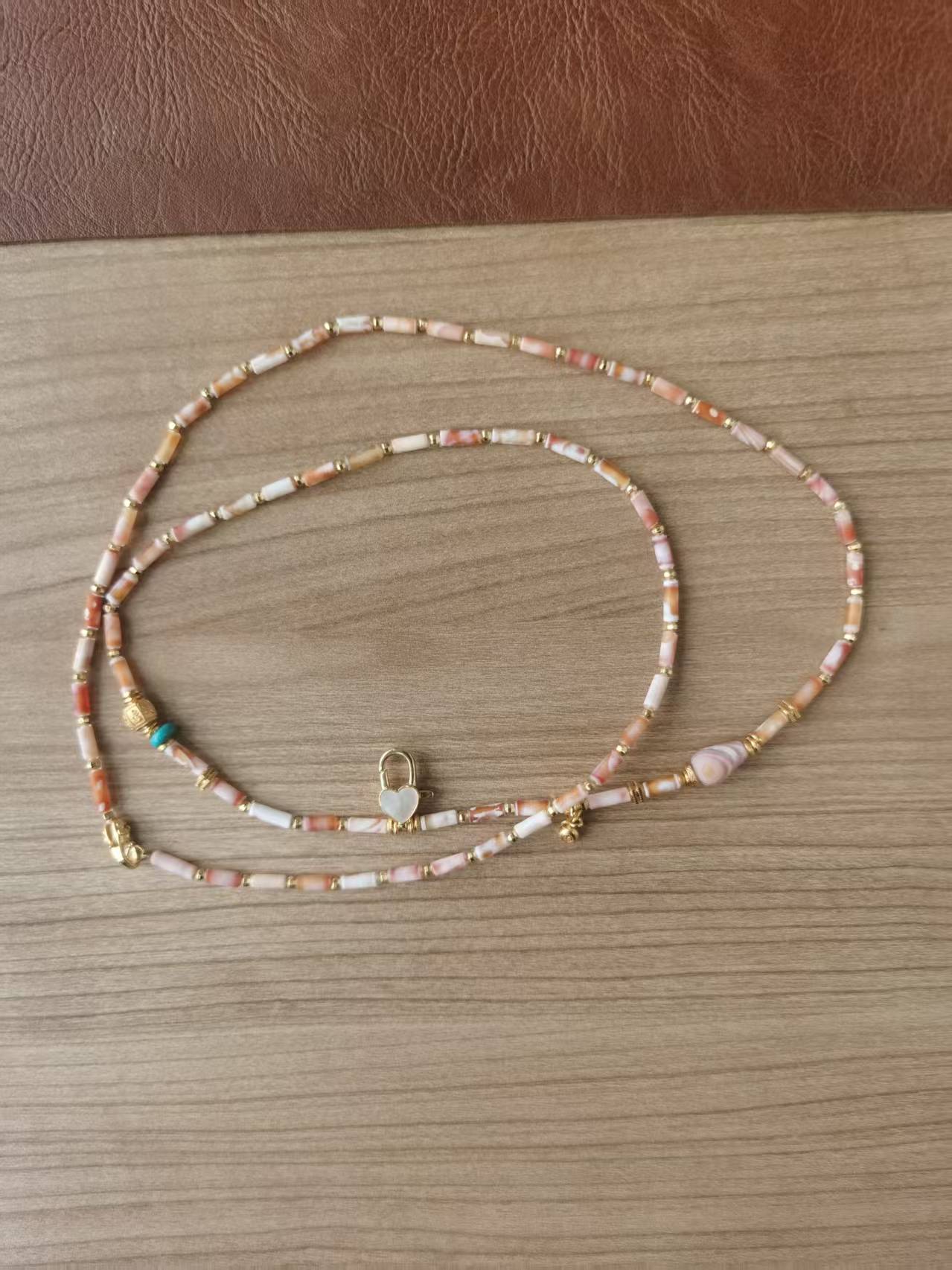
Pink Coral Tube-Bead Long Necklace
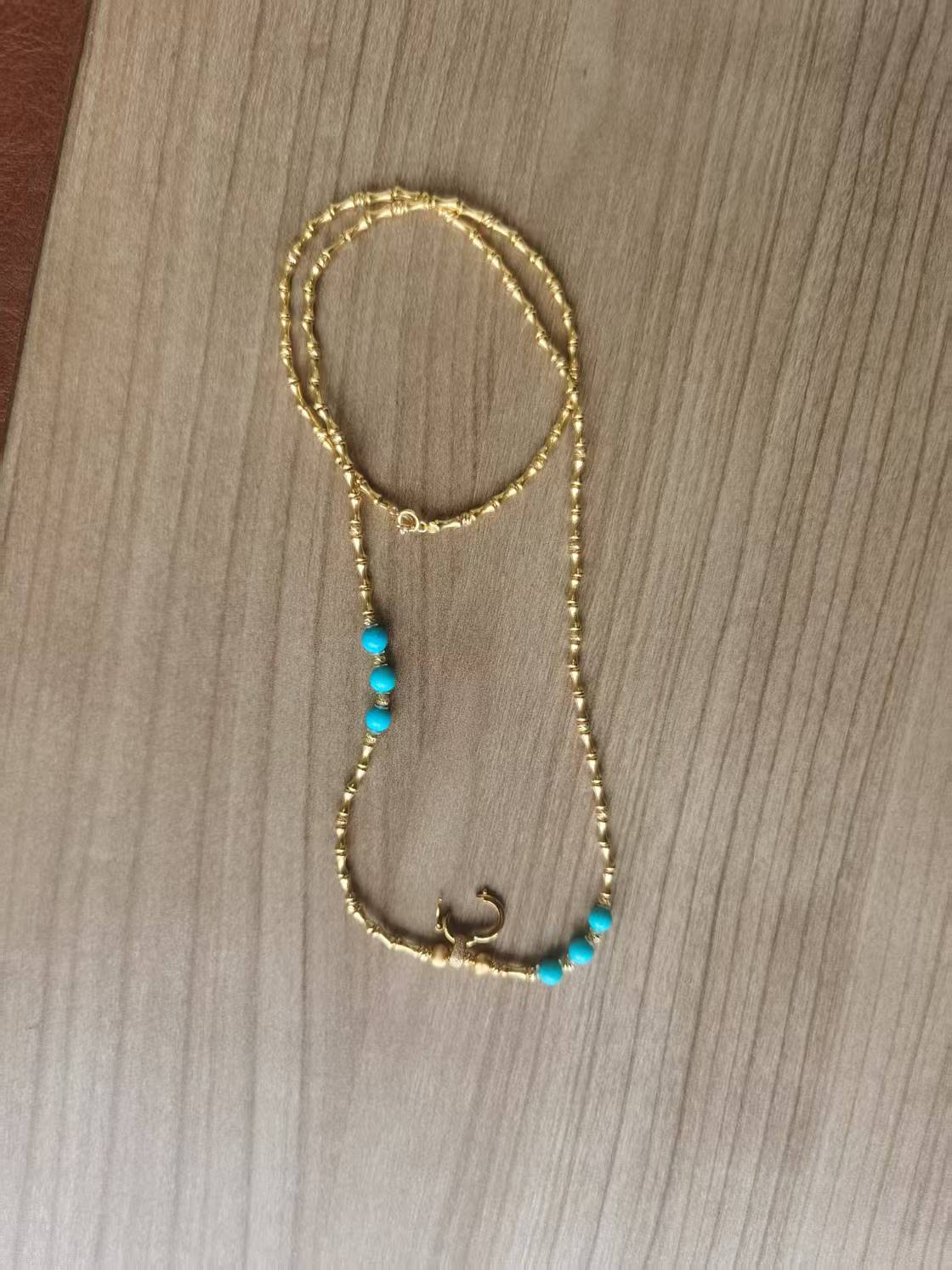
18K Gold-Tone Turquoise Accent Collarbone Necklace
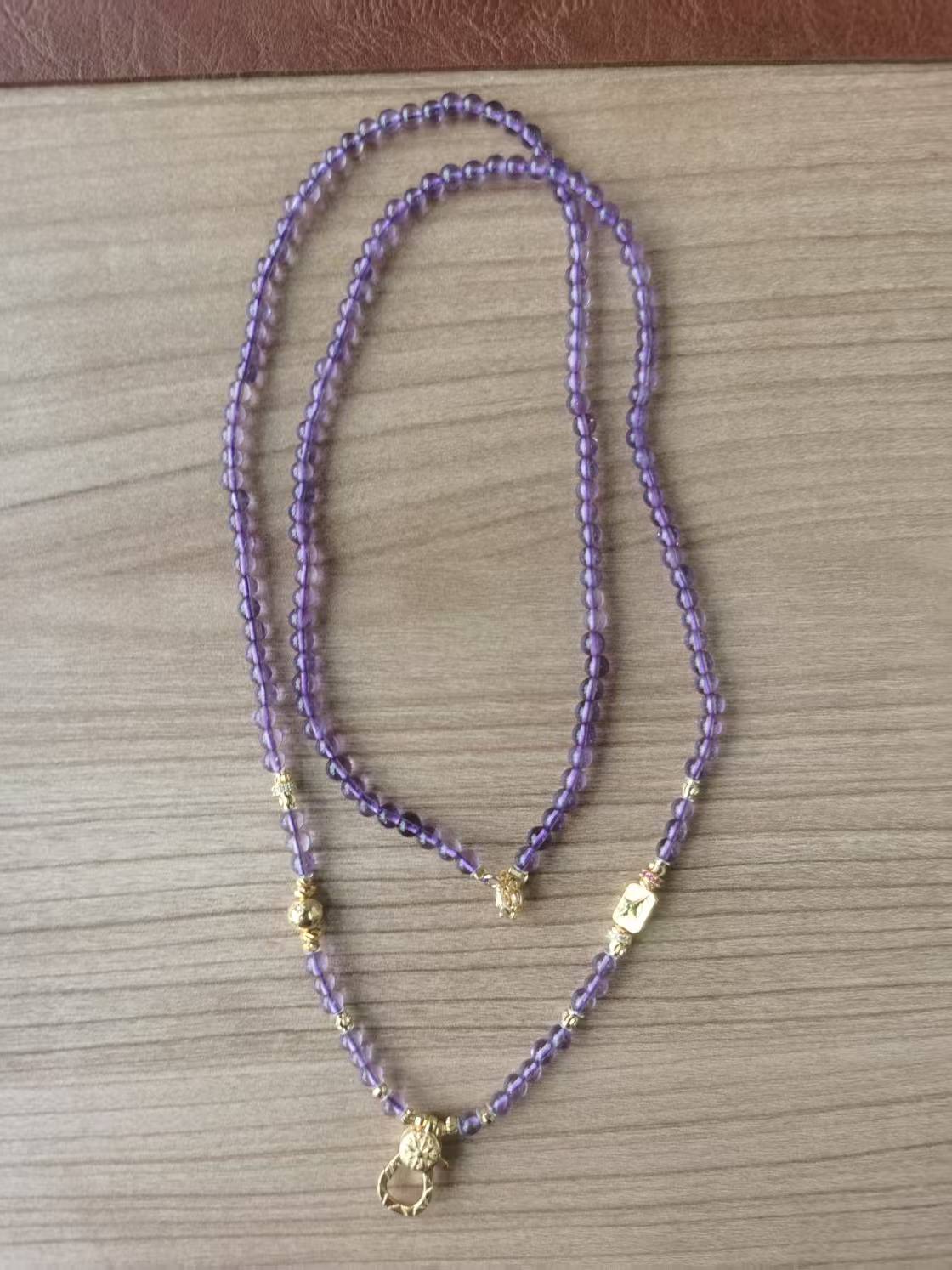
Natural Amethyst 6mm Multi-Way Long Necklace
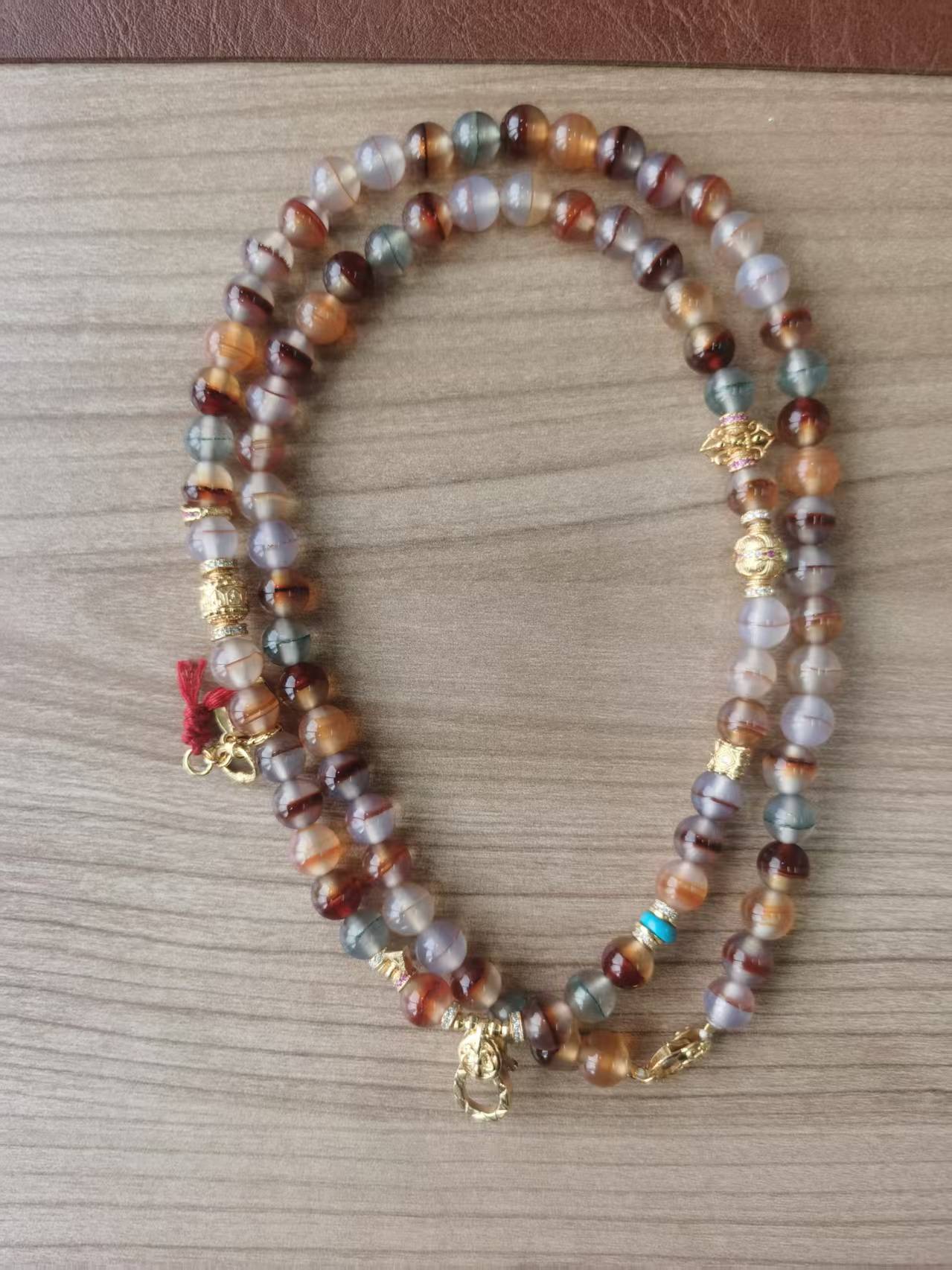
Natural Multicolor One-Line Medicine Buddha Agate Multi-Way Long Necklace
Black Gold Super Seven Multi-Way Long Necklace

Natural Black Gold Super Seven Beads

Natural Tiger’s Eye Multi-Way Long Necklace
