

collectible shop
Six-Armed Mahākāla Double-Sided Gau Pendant
Couldn't load pickup availability
✆ +86 190 6806 2710
Imagery & Craftsmanship
Front Theme | Four-Armed Mahākāla (Chaturbhuja Mahākāla)
The front side depicts Four-Armed Mahākāla, a prominent protector deity in Tibetan Buddhist art.
The central figure appears in a dark blue-black wrathful form, wearing a skull crown and adorned with bone ornaments. The deity is surrounded by a radiant halo of orange-red flames.
Visible iconographic elements include:
-
Blue-black deity form
-
Wrathful facial expression
-
Four arms
-
Skull crown
-
Flame-like hair
-
Bone ornaments and skull motifs
-
Orange-red flame halo
-
Retinue and protector figures
-
Animals, skeletal remains, and charnel-ground imagery
The composition follows traditional Tibetan Buddhist protector deity iconography.
Mahākāla and Consort
At the center of the composition, Mahākāla is depicted embracing his consort.
Together, the deity and consort form the principal visual focus of the artwork.
This iconographic arrangement belongs to the Tibetan Buddhist tantric artistic tradition and represents an important aspect of Vajrayāna imagery.
The front-side theme may be summarized as:
Four-Armed Mahākāla with Consort
Flames
A large field of orange-red flames surrounds the central deity.
The flames extend across the background and serve as one of the most visually prominent elements of the composition.
In Tibetan Buddhist art, wrathful deities are frequently represented within a halo of flames.
Within this work, the flames correspond to themes associated with:
-
Wisdom
-
Protective power
-
Purification
-
Wrathful energy
Skull Crown & Bone Ornaments
A skull crown is visible above the deity's head.
Bone ornaments, skull imagery, and severed-head motifs appear throughout the composition.
These elements are characteristic visual features found in Tibetan Buddhist wrathful deity imagery.
Depicted motifs include:
-
Skull crown
-
Bone ornaments
-
Skull decorations
-
Garland-like severed-head imagery
These symbols are traditionally associated with themes such as:
-
Impermanence
-
Freedom from attachment
-
Transformation of afflictions
-
Spiritual discipline
Miniature Painting
The artwork presents a complete religious scene within a highly compact format.
The composition incorporates multiple visual layers, including:
-
Principal deity
-
Consort
-
Ritual implements
-
Skull crown
-
Flames
-
Retinue figures
-
Animals
-
Skeletal remains
-
Background setting
Together, these elements create a fully developed protector deity narrative within a miniature scale.
The painting employs fine linework and layered composition to render complex religious imagery in a limited space.
Double-Sided Design
The pendant features a double-sided structure.
Front Side
Four-Armed Mahākāla with Consort
Reverse Side
Flames, ritual diagrams, offering structures, and mandala-related imagery
Both sides contain complete religious imagery and contribute to the overall visual narrative of the piece.
Metal Frame
The artwork is enclosed within a gold-toned metal frame.
Visible decorative features include:
-
Detailed border work
-
Scrollwork ornamentation
-
Crown-like upper decoration
-
Central religious motifs
-
Gem-colored decorative accents
-
Suspended pendant structure
The metalwork and miniature painting together form the complete artistic presentation of the piece.
Symbolic Themes
Mahākāla | Protector Deity
Mahākāla is one of the principal Dharma Protectors in Tibetan Buddhism.
This work centers on Four-Armed Mahākāla and incorporates a range of associated religious and iconographic elements.
Four Arms
The four arms are a defining characteristic of this manifestation of Mahākāla.
The form emphasizes the deity’s protective and dynamic qualities within Tibetan Buddhist visual culture.
Consort
The embrace between Mahākāla and his consort forms the central compositional structure of the artwork.
This type of imagery belongs to the traditional iconography of Tibetan Buddhist tantric art.
Its visual language expresses the union of wisdom and skillful means.
Flames
Flames extend throughout the composition and surround the deity.
Within Tibetan Buddhist art, flames are commonly associated with:
-
Wisdom
-
Purification
-
Spiritual power
-
Protective force
Skull Imagery
The skulls, bone ornaments, and severed-head motifs appearing throughout the artwork form an important part of tantric Buddhist visual symbolism.
Associated themes include:
-
Impermanence
-
Transcendence of attachment
-
Transformation
-
Spiritual contemplation
Gau Structure
The pendant adopts the traditional form of a Gau, a portable shrine used within Tibetan Buddhist culture.
Historically, a Gau may contain:
-
Sacred texts
-
Protective amulets
-
Relics
-
Images of deities
-
Religious paintings
-
Blessed objects
This work combines miniature sacred painting with the traditional Gau format, creating a wearable double-sided devotional art object.
Artistic & Craftsmanship Features
Traditional Gau Form
The pendant is designed in the traditional Gau format and incorporates decorative metalwork elements inspired by Tibetan Buddhist shrine pendants.
Four-Armed Mahākāla Theme
The artwork centers on Four-Armed Mahākāla and incorporates associated iconographic elements including the consort, flames, skull imagery, and protector-deity symbolism.
Miniature Sacred Painting
A complete religious composition is rendered within a compact format, integrating the principal deity, attendants, ritual implements, flames, and environmental details.
Double-Sided Religious Imagery
Both front and reverse sides contain fully developed religious imagery, creating a dual-sided visual presentation.
Integration of Metalwork and Painting
The piece combines multiple artistic elements, including:
-
Miniature Buddhist painting
-
Decorative metal framing
-
Relief ornamentation
-
Pendant construction
Together, these components form the complete artistic structure of the work.


Six-Armed Mahākāla Double-Sided Gau Pendant
thangka
Collection Details
You may also like
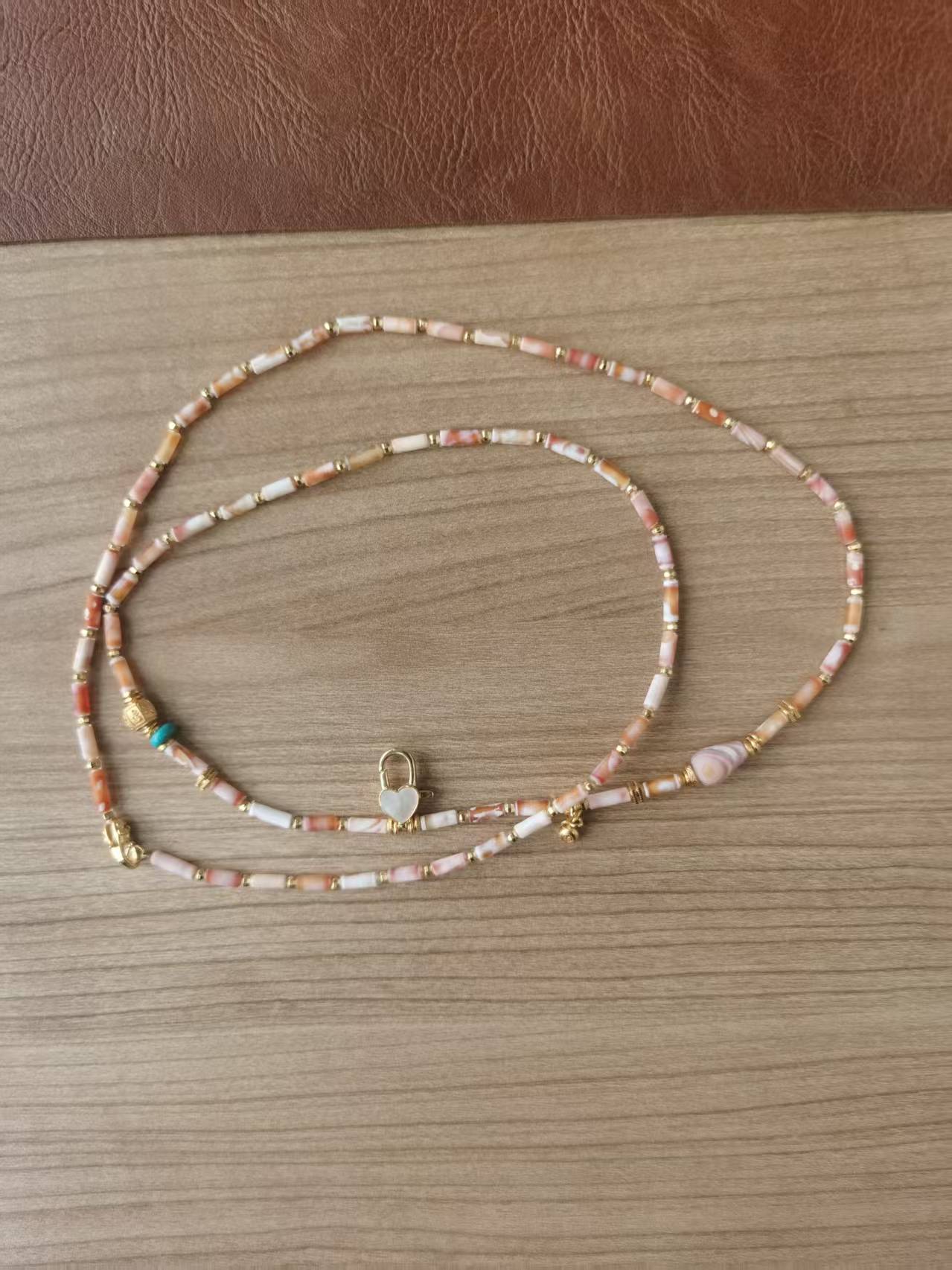
Pink Coral Tube-Bead Long Necklace
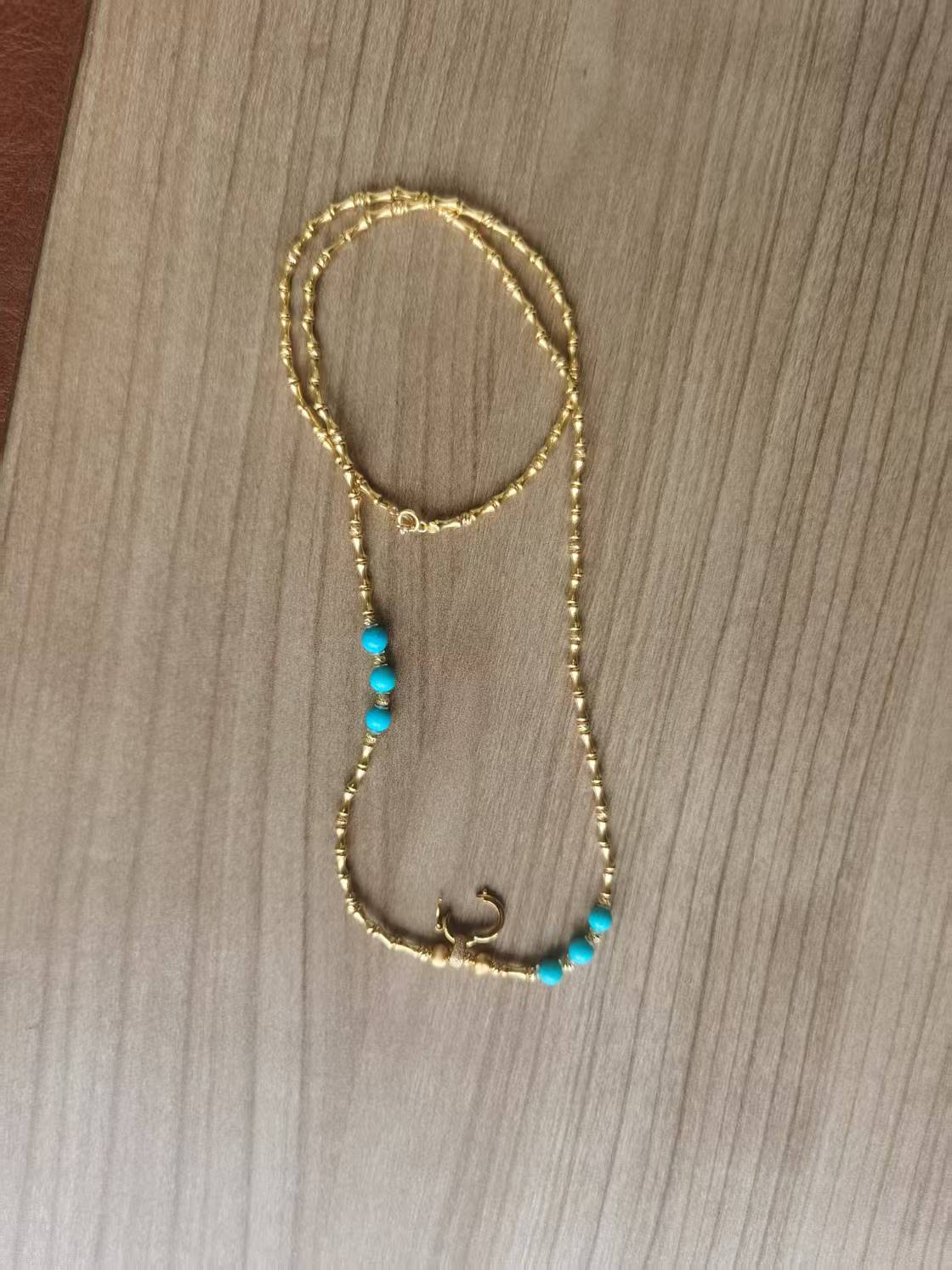
18K Gold-Tone Turquoise Accent Collarbone Necklace
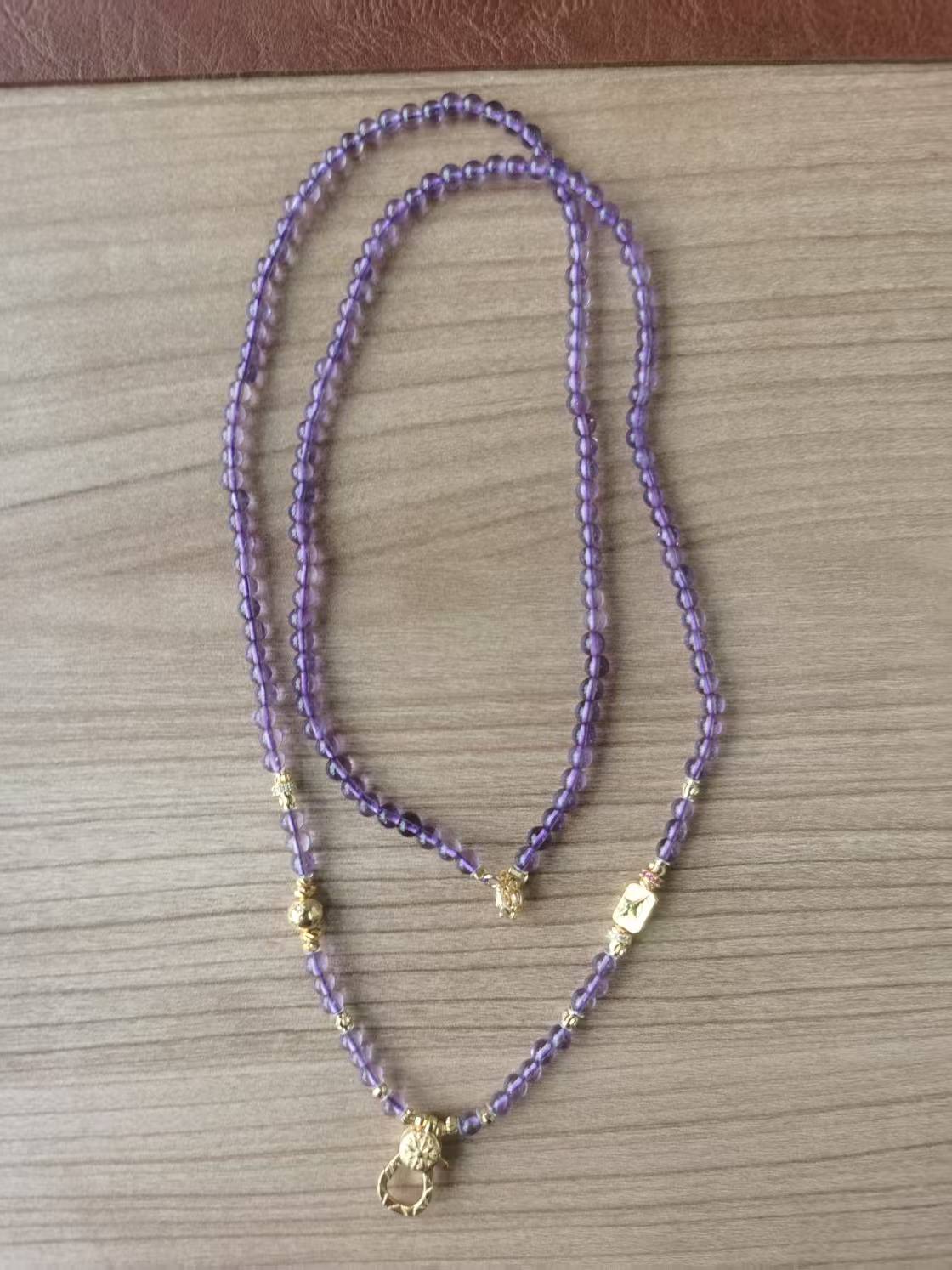
Natural Amethyst 6mm Multi-Way Long Necklace
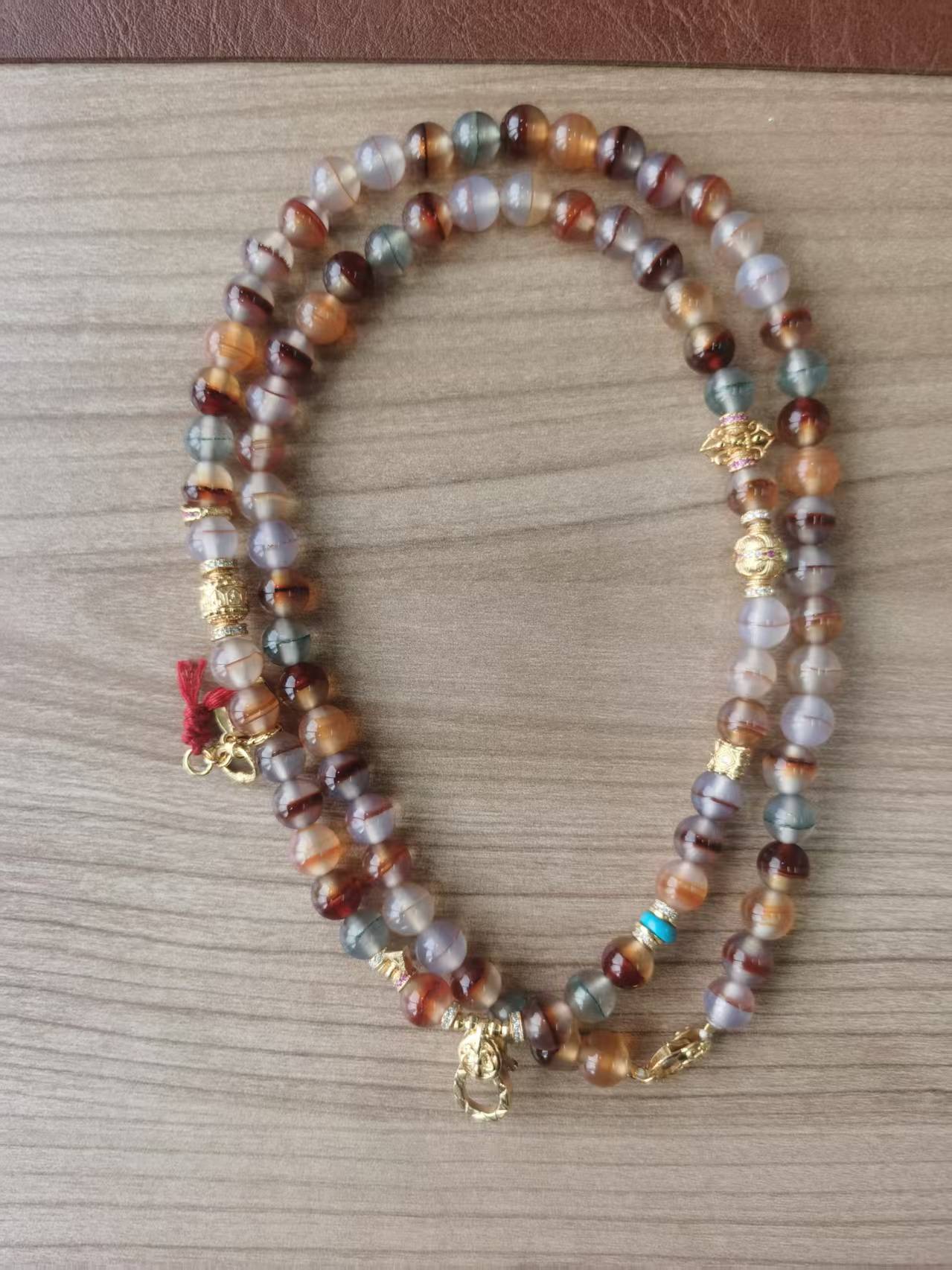
Natural Multicolor One-Line Medicine Buddha Agate Multi-Way Long Necklace
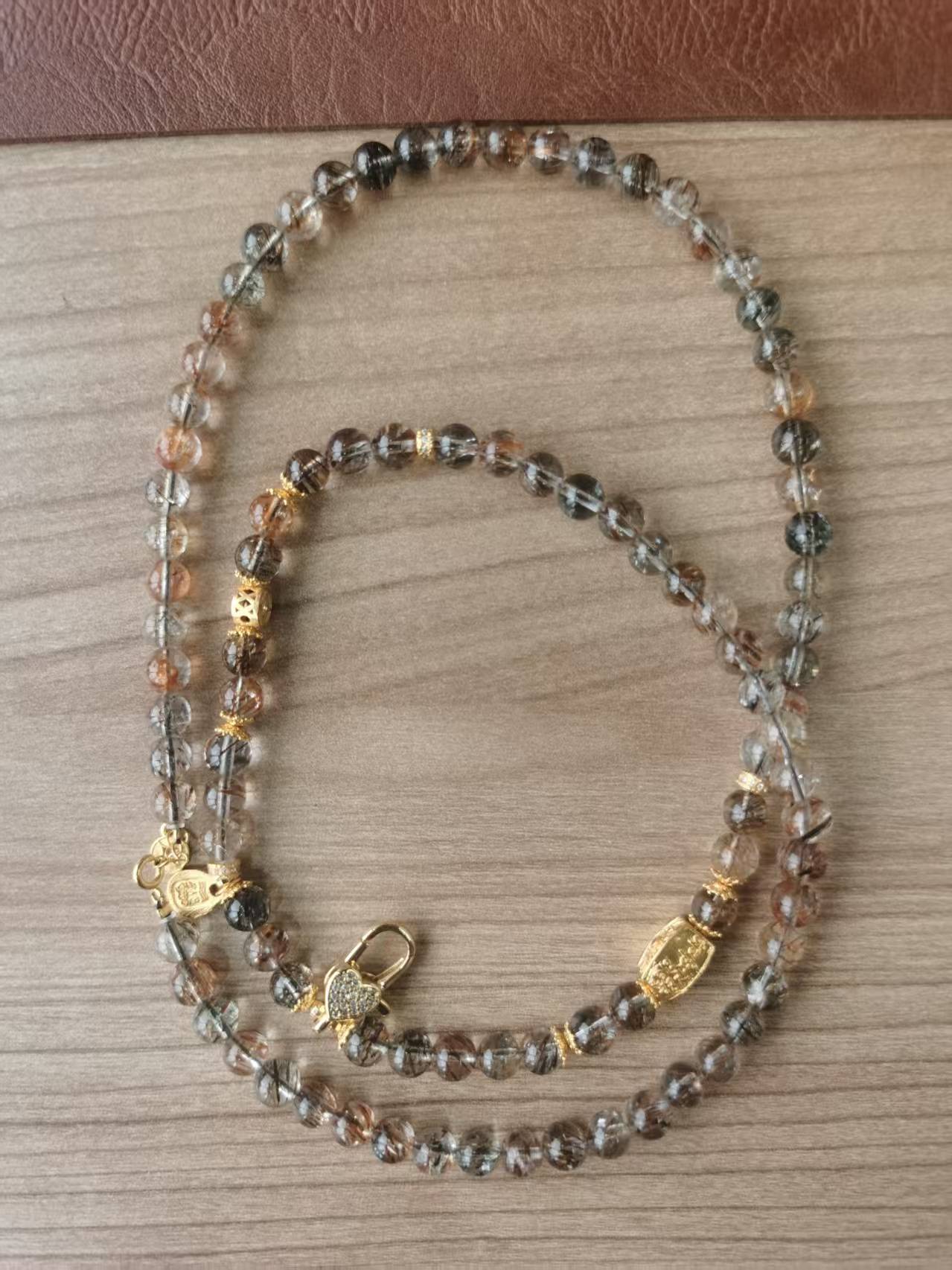
Black Gold Super Seven Multi-Way Long Necklace

Natural Black Gold Super Seven Beads

Natural Tiger’s Eye Multi-Way Long Necklace
