

collectible shop
Vajradhara|Mantra-Enclosed Gau Pendant
Couldn't load pickup availability
✆ +86 190 6806 2710
Image & Craftsmanship
The front of this piece depicts Akshobhya Buddha, one of the principal figures of the Five Dhyani Buddhas in Tibetan Buddhism.
Akshobhya Buddha is traditionally associated with the East, the color blue, the Vajra Family, and Mirror-like Wisdom. The blue body serves as the primary visual characteristic of the Buddha, complemented by a jeweled crown, earrings, necklace, and other ornamental elements that present the traditional sambhogakaya form found in representations of the Five Dhyani Buddhas.
The Buddha image is rendered in a miniature Thangka format, presenting a complete Buddhist sacred image within an approximately 4 × 5 cm pictorial space. The blue body, facial expression, crown, jewelry, and ornamental details form the principal visual elements of the composition.
The artwork is housed within a metal amulet-style structure with a decorative top element. Its overall form incorporates characteristics associated with traditional Gawu / Gau-style Buddhist reliquary objects, combining Buddhist painting with a traditional devotional object.
The reverse side contains text associated with the Śūraṅgama Mantra (Shurangama Mantra), adding a further layer of Buddhist textual and cultural content to the piece.
Buddhist Cultural Significance
Akshobhya Buddha occupies an important position within the Five Dhyani Buddha system of Tibetan Buddhism and is traditionally associated with steadfastness, purity, awareness, and wisdom.
The traditional symbolic associations include:
-
East — the eastern direction within the Five Dhyani Buddha system
-
Blue — the traditional body color of Akshobhya Buddha
-
Vajra Family — the Buddhist family associated with Akshobhya
-
Mirror-like Wisdom — the wisdom traditionally associated with Akshobhya
-
Immovability — representing steadfastness and freedom from being disturbed by anger and emotional afflictions
The traditional cultural symbolism of Akshobhya Buddha centers on inner stability, purity, awareness, steadfastness, and wisdom.
Reverse Side & Buddhist Mantra
The reverse side preserves text associated with the Śūraṅgama Mantra, an important Dhāraṇī tradition within Chinese Buddhism.
The front presents a Tibetan Buddhist representation of Akshobhya Buddha, while the reverse incorporates Buddhist mantra text associated with the Chinese Buddhist tradition. Together, these elements bring Buddhist imagery, miniature Thangka painting, religious objects, and Buddhist textual culture into a single piece.
Collection Composition
This miniature artwork brings together several traditional Buddhist art and craft elements:
Akshobhya Buddha × Miniature Thangka × Gawu / Gau-Style Object × Metal Craftsmanship × Buddhist Mantra
The combination gives the piece distinct characteristics of Buddhist painting, religious objects, traditional craftsmanship, and cultural collection.
Miniature Thangka
A miniature Thangka is a small-format form of Thangka painting that presents Buddhist sacred images and religious iconography within a compact pictorial space.
Compared with large-format Thangkas, miniature Thangkas are characterized by their compact size and convenient preservation and display, while retaining traditional Buddhist iconography, colors, ornamental details, and compositional elements.
This piece presents Akshobhya Buddha within an approximately 4 × 5 cm miniature painting and combines the painted image with a metal object housing, creating an integrated form of Buddhist painting and traditional religious craftsmanship.
Cultural & Collectible Value
01 | Classical Buddhist Subject
Akshobhya Buddha is one of the Five Dhyani Buddhas and has an established Buddhist iconographic system. Its associations with the East, blue, the Vajra Family, and Mirror-like Wisdom form distinctive elements of traditional Buddhist art.
02 | Miniature Thangka Format
The artwork presents a complete Buddhist sacred image within an approximately 4 × 5 cm miniature format, condensing the visual language of traditional Thangka painting into a compact art object.
03 | Integration of Painting & Traditional Object
The miniature Thangka is combined with a metal amulet-style housing and decorative top element, creating an integrated form with characteristics associated with Gawu / Gau-style Buddhist objects.
04 | Buddhist Cultural Elements from Different Traditions
The front presents Akshobhya Buddha from the Tibetan Buddhist tradition, while the reverse incorporates text associated with the Śūraṅgama Mantra from the Chinese Buddhist tradition, bringing different Buddhist artistic and textual elements together within one object.
05 | Compact Buddhist Art Collection
The piece combines Buddhist iconography, miniature Thangka painting, traditional religious object design, and metal craftsmanship, giving it distinct characteristics as a Buddhist art and cultural collection piece suitable for personal collection, display, and cultural study.


Vajradhara|Mantra-Enclosed Gau Pendant
thangka
Collection Details
You may also like
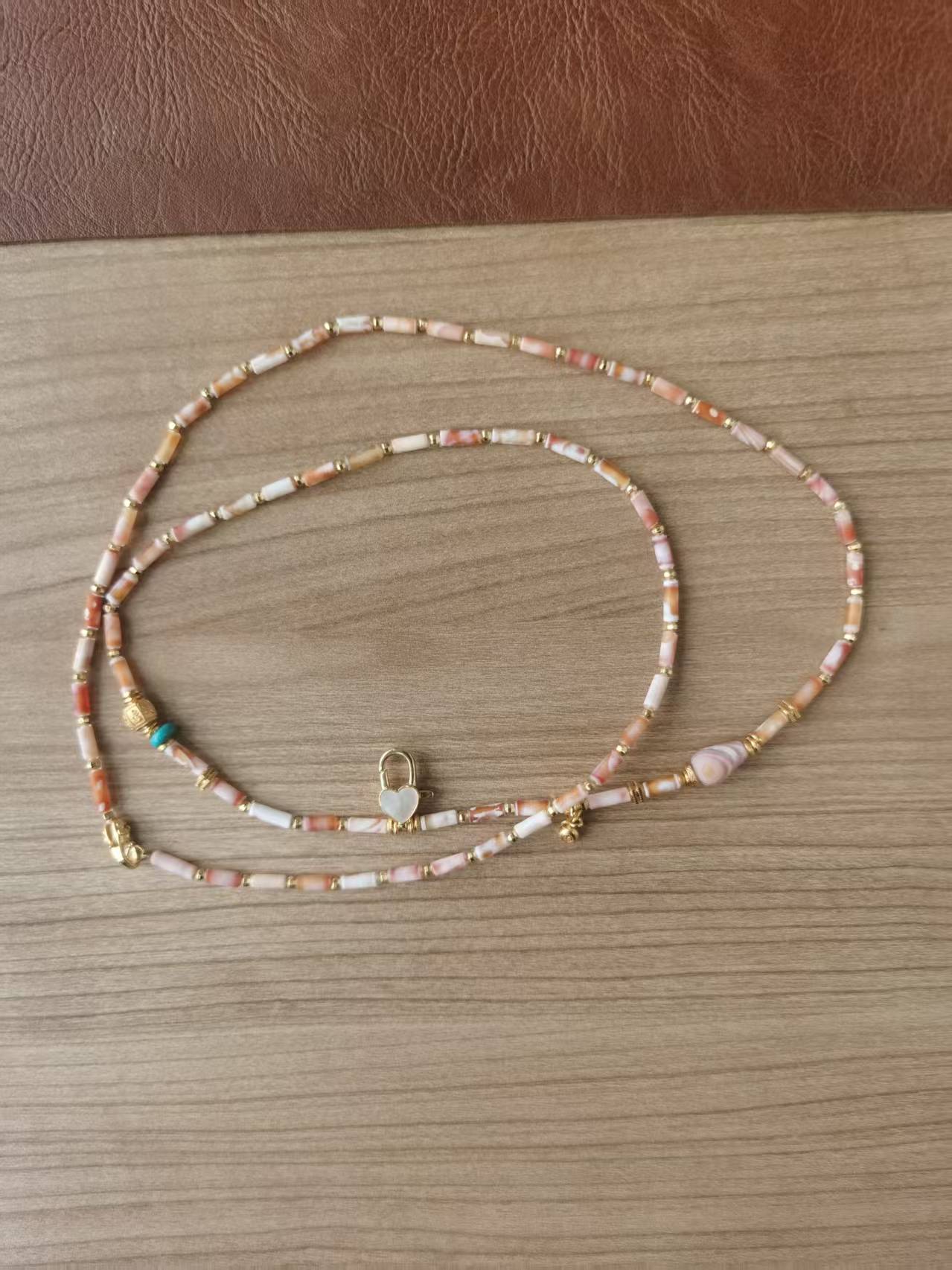
Pink Coral Tube-Bead Long Necklace
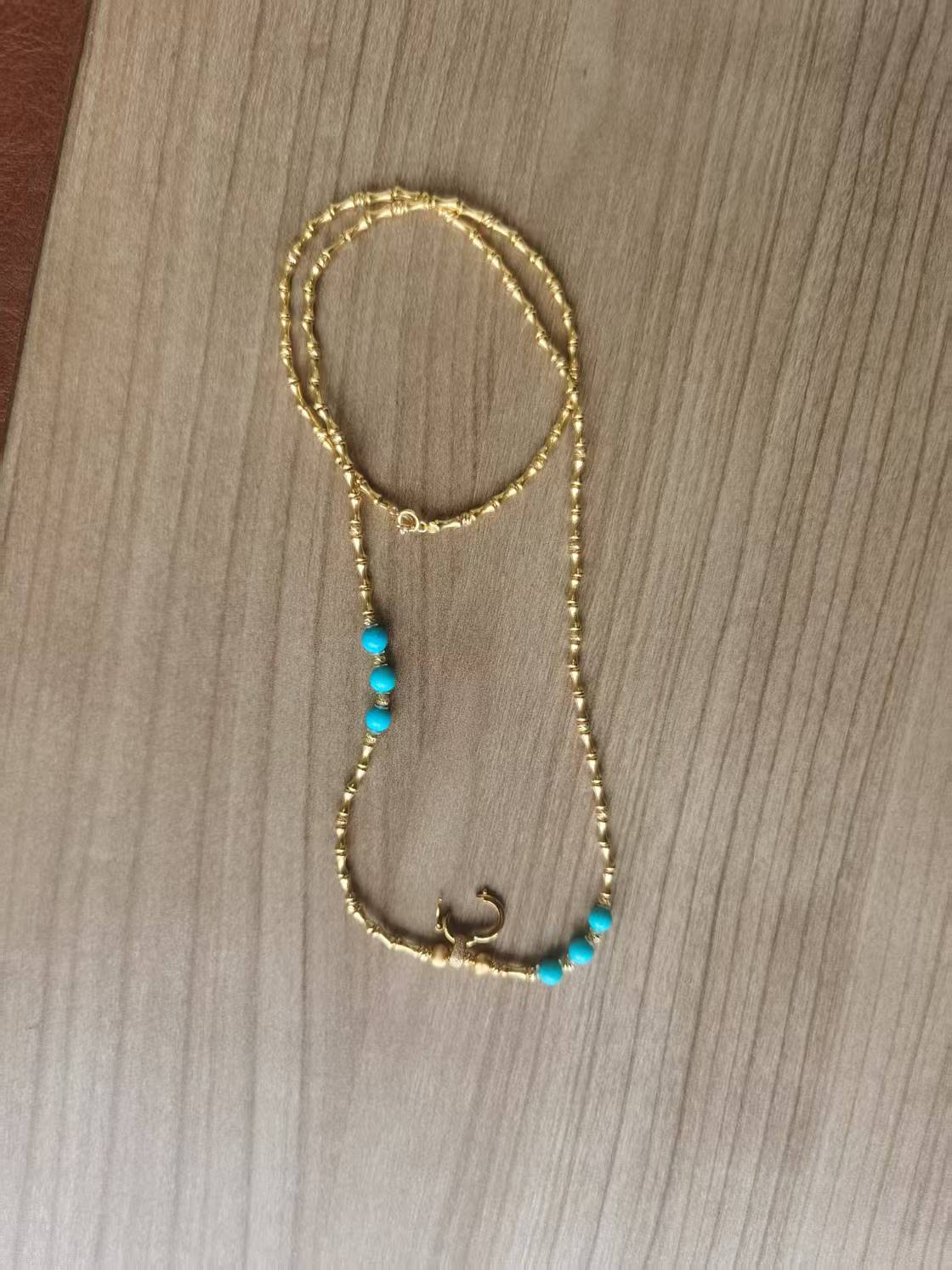
18K Gold-Tone Turquoise Accent Collarbone Necklace
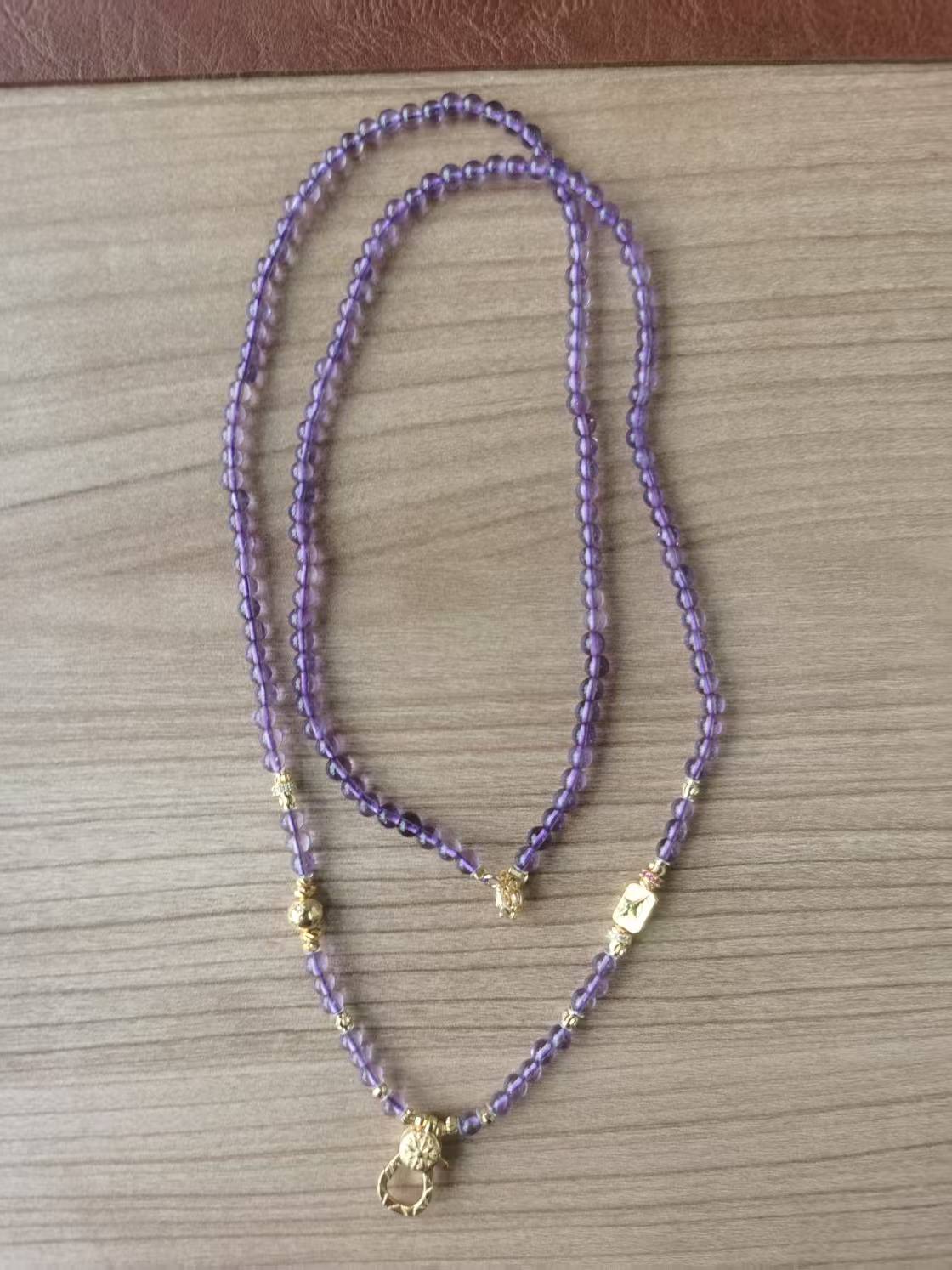
Natural Amethyst 6mm Multi-Way Long Necklace
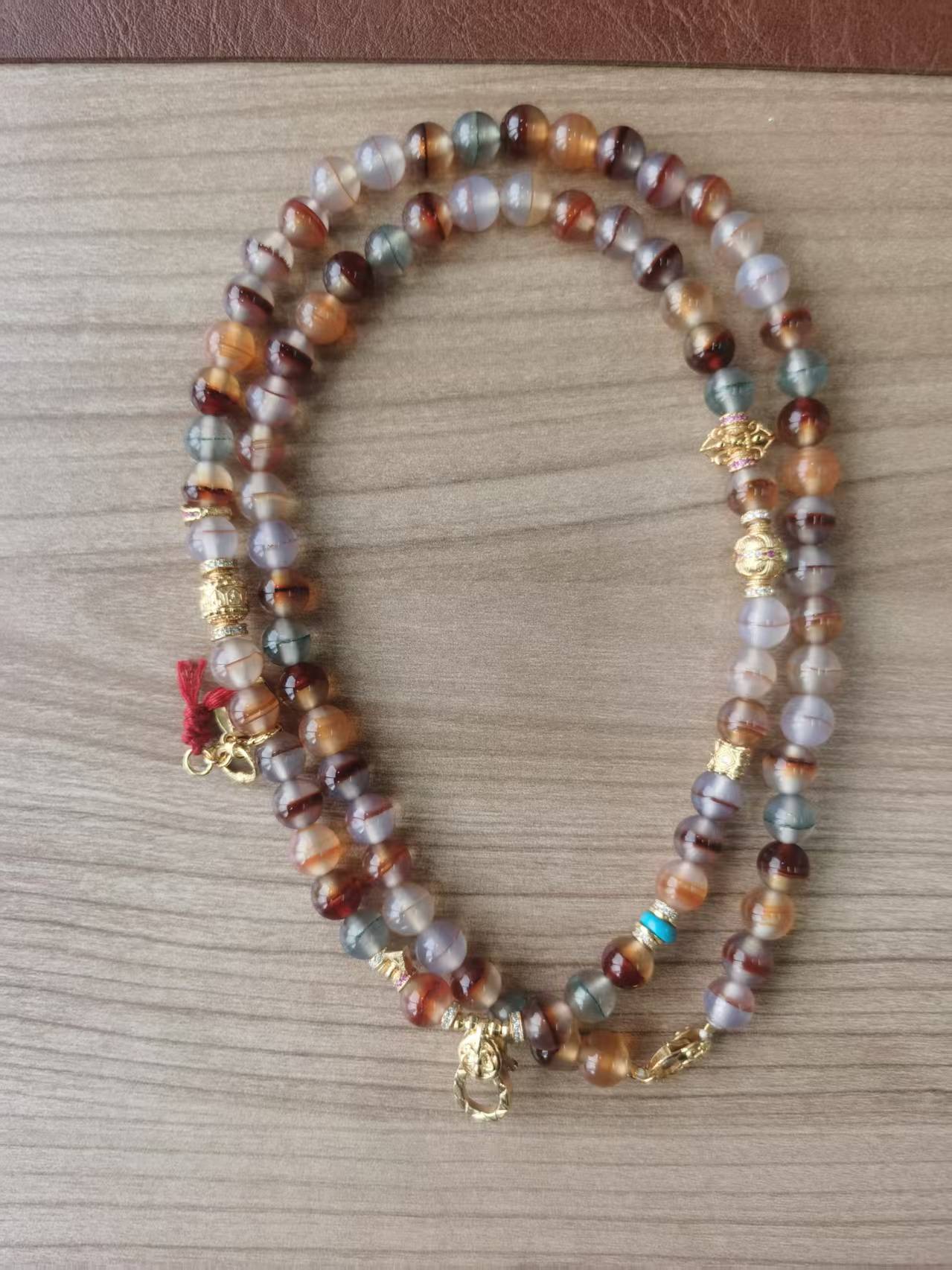
Natural Multicolor One-Line Medicine Buddha Agate Multi-Way Long Necklace
Black Gold Super Seven Multi-Way Long Necklace

Natural Black Gold Super Seven Beads

Natural Tiger’s Eye Multi-Way Long Necklace
